Roundstone to Ballyconneely Loop for Beginners
A gentle 12-mile loop that's perfect for getting your cycling legs back. Mostly flat terrain with stunning coastal views and traditional stone walls.

Why This Route Works for Beginners
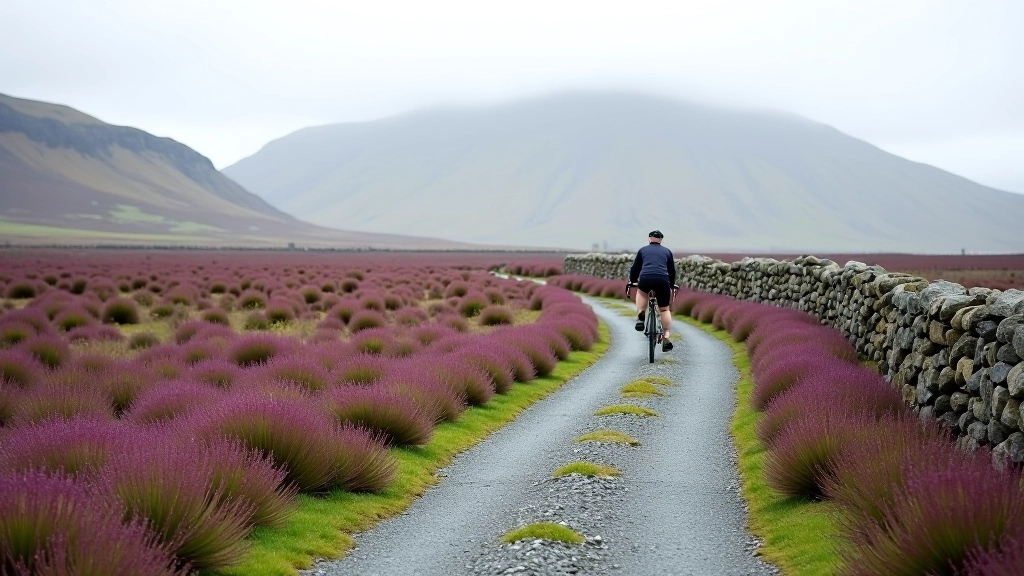
You don't need to be a seasoned cyclist to enjoy the Connemara landscape. This loop between Roundstone and Ballyconneely proves it. The route follows quiet bog roads with minimal traffic, mostly flat terrain, and plenty of places to stop and soak in the views.
We've built this guide for people getting back into cycling after time away, or those just starting out. You'll find concrete details about what to expect — the surface types, how to pace yourself, and where the trickier sections actually are. No surprises, just solid information.
01
The Route Basics
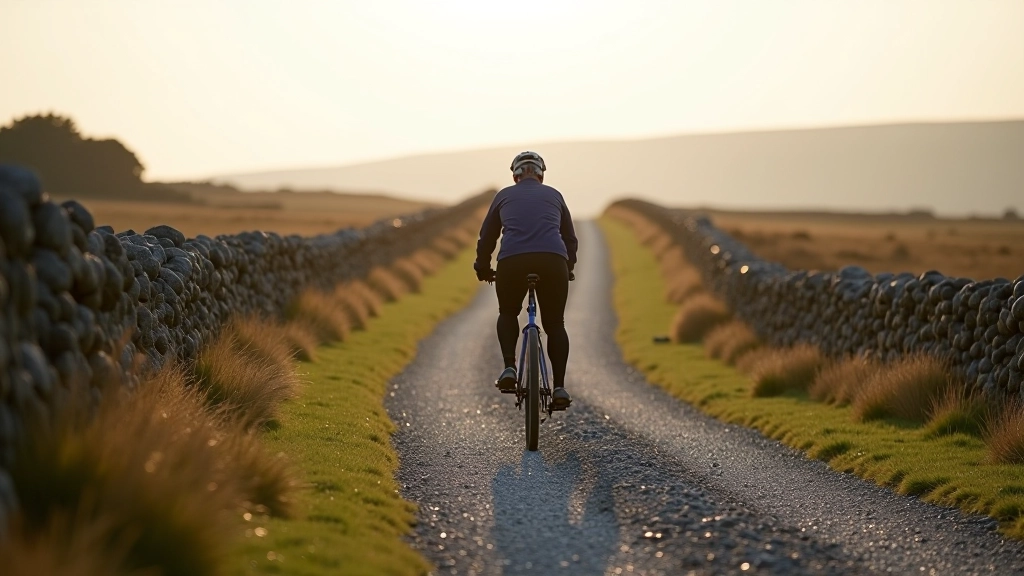
The loop starts in Roundstone village. You'll head west toward Ballyconneely, following bog roads that wind through heathland and moorland. The total distance is about 12 miles, which takes most beginners 1.5 to 2 hours depending on pace and stops.
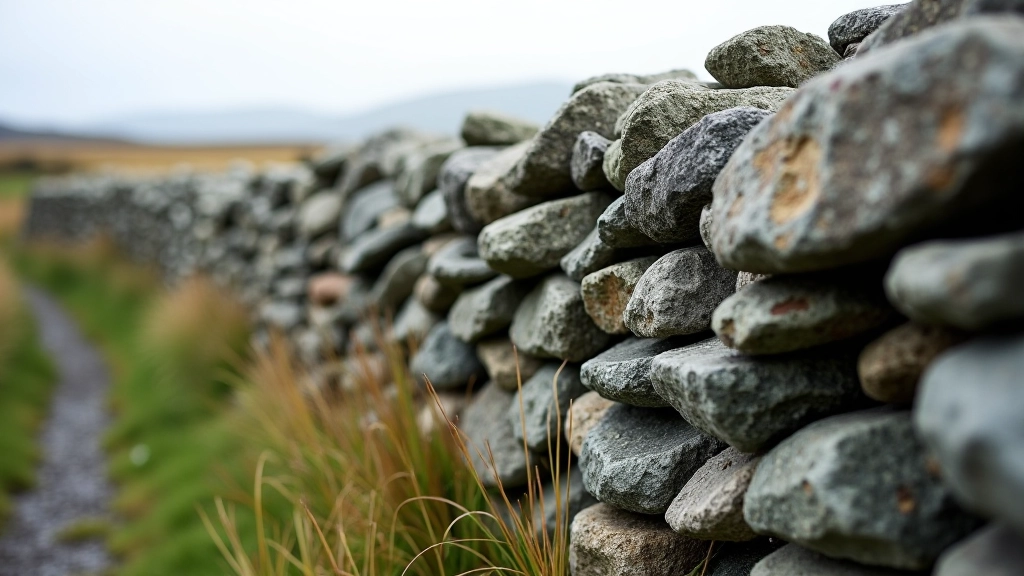
Most of the route sits below 100 meters elevation, so you're not fighting against serious climbs. The landscape opens up as you move away from the coast, and you'll pass several traditional dry stone walls — some dating back centuries. That's the real magic of this route.
02
Surface Types You'll Encounter
The first 3 miles from Roundstone use decent hard-packed gravel. It's firm enough that you won't sink or struggle for grip. Around the 3-mile mark, the surface shifts to rougher ground — loose stones mixed with compacted earth. This is where your tires need to grip properly.
The final 4 miles returning to Roundstone include a stretch of soft bog surface for about 1 mile. Don't worry — it's not quicksand. The ground is stable enough, just a bit squelchy after rain. Most hybrid or gravel bikes handle this fine. We've detailed surface types in a separate guide if you want to know more.
03
Pacing and Rest Points
Don't rush this route. The whole point is to enjoy it. Most beginners we've talked to pace themselves at 7-10 km/h average speed, including stops. That means you're moving slowly enough to take in the walls, the bog plants, and the views without exhausting yourself.
There's a small pull-off about 6 miles in where you can rest and refill water bottles. Bring more water than you think you'll need — the bog landscape is exposed, and wind can dehydrate you faster than you'd expect.
What Actually Matters on the Day
Practical tips based on what real riders have discovered
Weather Changes Fast
Bog landscapes catch weather before it reaches the coast. You might start in sunshine and hit rain within 30 minutes. Bring a lightweight waterproof — not for protection, but to cut wind chill. A windproof layer makes more difference than you'd think.
Tire Pressure Matters Here
Lower your tire pressure by 5-10 PSI from road riding. You want more grip on loose surfaces. Too high and you'll bounce and lose traction on the rough sections. We're talking 40-45 PSI for gravel bikes, not road-bike pressure.
Walk the Tricky Bits
There's no shame in dismounting and walking. Around mile 8, there's a 200-meter section with deeper ruts and loose stones. Plenty of beginners walk it. Walking saves energy, prevents crashes, and lets you admire the walls up close.
Navigation Is Simple
This route is straightforward — there's really only one main road. Still, download an offline map. Mobile signal gets spotty on the bog. A simple GPS watch or offline app is enough. You don't need fancy tech, just something that works without signal.
The Walls Tell the Story
You'll notice the dry stone walls immediately. They're not just scenery — they're evidence of how people shaped this landscape over centuries. Built without mortar, using only stone fitted together by hand. Some sections on this route date back to the 1700s.
What's fascinating is how these walls defined the bog landscape. They mark old field boundaries, and they shelter the land from Atlantic wind. If you stop and look closely, you'll see the skill in the stonework. The walls aren't perfectly straight — they follow the contours and adapt to the ground. That's not carelessness, that's experience.
Take time on this route to actually look at the walls as you pass. Pause at a few points. You're cycling through working landscape history, and that's something you won't get on a smooth bike path.
Getting Your Bike Ready
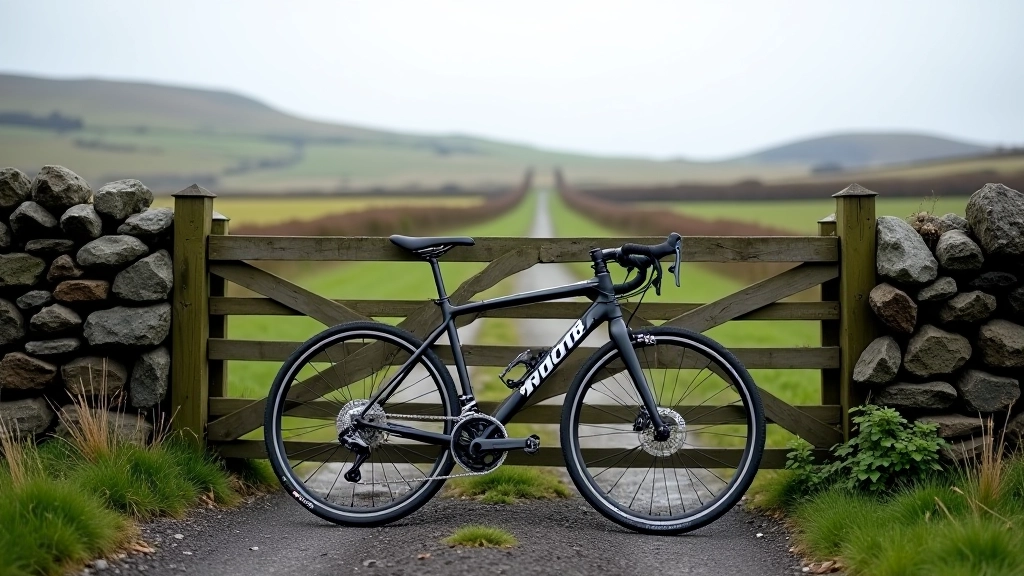
You don't need a fancy setup. A hybrid bike or gravel bike works perfectly. Road bikes will struggle on the loose sections. The bike needs wider tires — at least 35mm — and decent tread for grip on rough ground.
Before you go, check three things: tire tread depth (you want actual grooves, not slicks), tire pressure (lower it slightly from road pressure), and brake pads (bog dust is abrasive, so fresh pads matter). Don't overthink it. We're talking a 30-minute check before you ride, not a full service.
Bring basic repair kit — spare tube, pump, multi-tool. The route isn't remote, but it's rural. You won't be stranded if something breaks, but you'll be grateful to fix it yourself rather than walking 3 miles to a shop.
You're Ready for This
This route exists because it's achievable for beginners. The distance isn't brutal. The climbs are gentle. The surface is rideable with any decent bike. What you get in return is Connemara's landscape — the stone walls, the bog heathland, the views across to the coast.
Start early in the day. Bring water. Check your bike. Don't rush. Stop and look at the walls. That's all you need. Plenty of people have done this route — many of them getting back into cycling after years away. They found it rewarding, not punishing. You will too.
Want More Route Guides?
Explore other Connemara cycling routes and learn about the landscapes you'll encounter.
Browse All RoutesRoute Information Disclaimer
This guide describes route conditions, terrain, and practical considerations based on typical conditions. Weather, seasonal changes, and ground conditions can affect ride quality and difficulty. Always check local weather forecasts, assess your own fitness level honestly, and adjust your plans accordingly. Bog roads can become muddy or difficult after heavy rain. Carry a map, tell someone where you're going, and ride within your abilities. This route is public access, but always respect private property and local landowner access agreements.