Choosing the Right Bike and Gear for Bog Road Cycling
You don't need expensive equipment to enjoy these routes. We'll cover what actually works for rough terrain and where you can save money.

Starting Out on Bog Roads
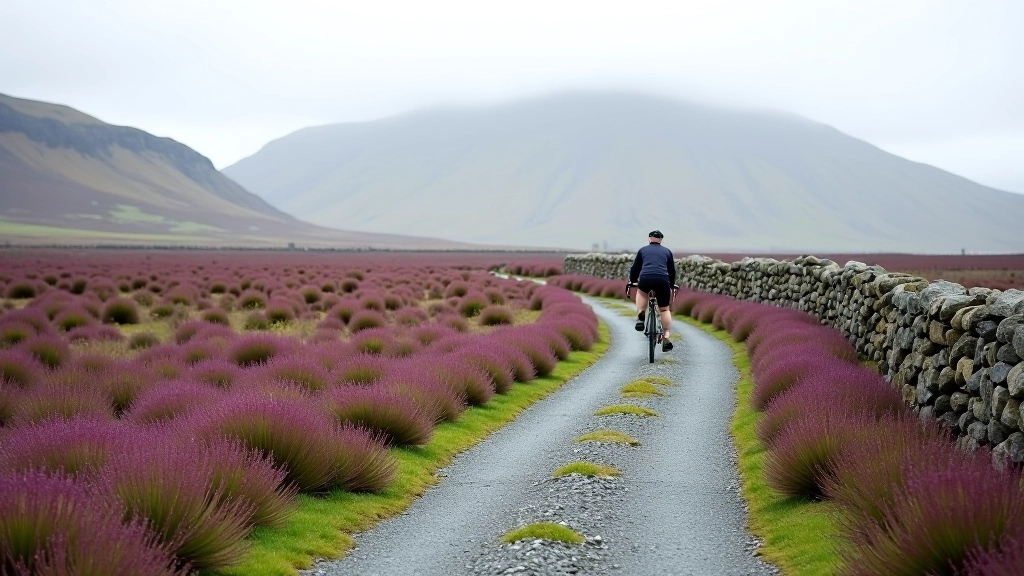
When you're planning your first trip out on Connemara's bog roads, it's easy to get overwhelmed by gear choices. You'll see cyclists with thousands of euros worth of equipment. Don't let that intimidate you.
The truth? A decent used hybrid or gravel bike costs far less than you'd think. Add a few specific accessories, and you're ready for routes like Roundstone to Ballyconneely. We've helped dozens of people figure this out without breaking the bank.
What You'll Actually Need
- A reliable hybrid or gravel bike
- Proper tires for loose surfaces
- Basic maintenance tools
- Weather-appropriate clothing
- Comfortable saddle for longer rides
Choosing Your Bike
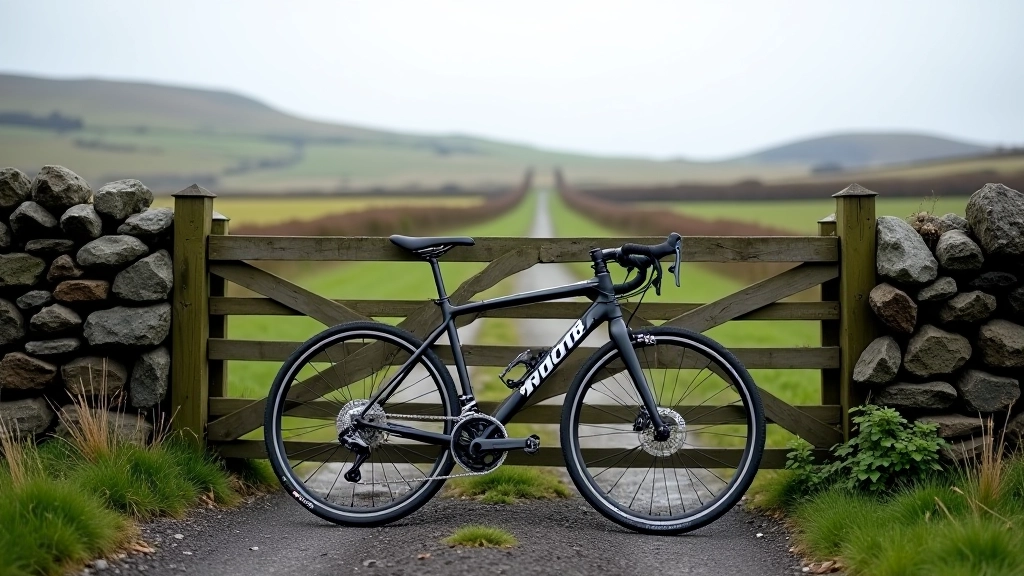
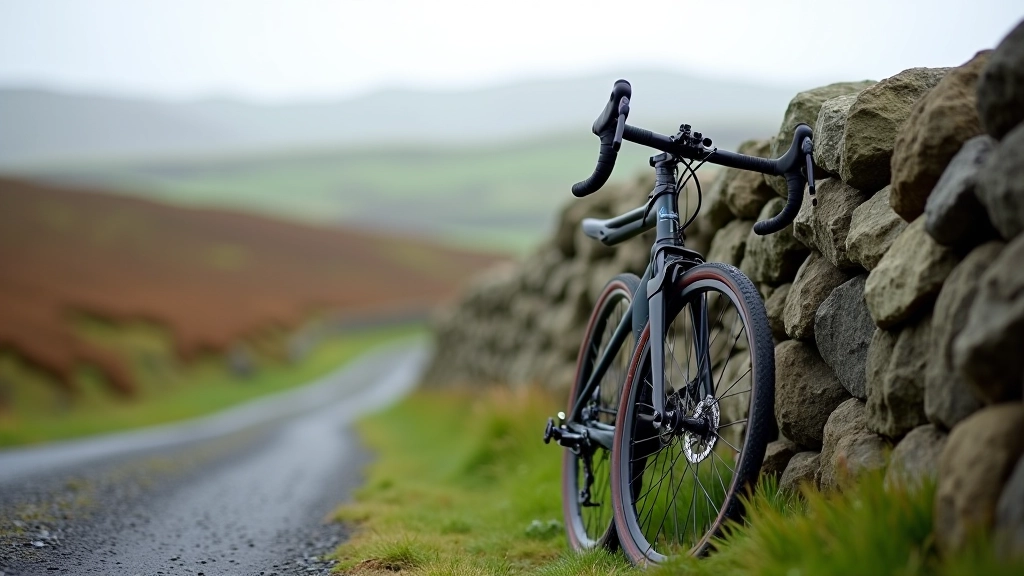
You've got three main options that work well on bog roads: hybrid bikes, gravel bikes, and mountain bikes. Here's what matters: you need wider tires than road bikes have, a sturdy frame, and a comfortable riding position.
Hybrid bikes are your best starting point if you're just getting back into cycling. They're stable, upright, and forgiving on rough terrain. Most hybrids have 700c wheels with 35-42mm tires. That's wide enough for loose gravel but nimble enough for packed sections.
Gravel bikes sit between hybrids and road bikes. They're lighter than hybrids but still handle rough surfaces well. If you're planning longer rides—say, 25+ miles regularly—a gravel bike gives you more speed without sacrificing control. Look for models with tire clearance for 45-50mm tires.
Mountain bikes work too, but they're overkill for bog roads. You'll sacrifice speed and efficiency. Save mountain bikes for actual trails.
Key Specifications to Look For
- Tire width: 35-50mm depending on terrain
- Frame material: Aluminum or steel (both durable)
- Gearing: 18-21 speeds minimum
- Brakes: Disc brakes handle wet bog conditions better
Tires Make the Biggest Difference
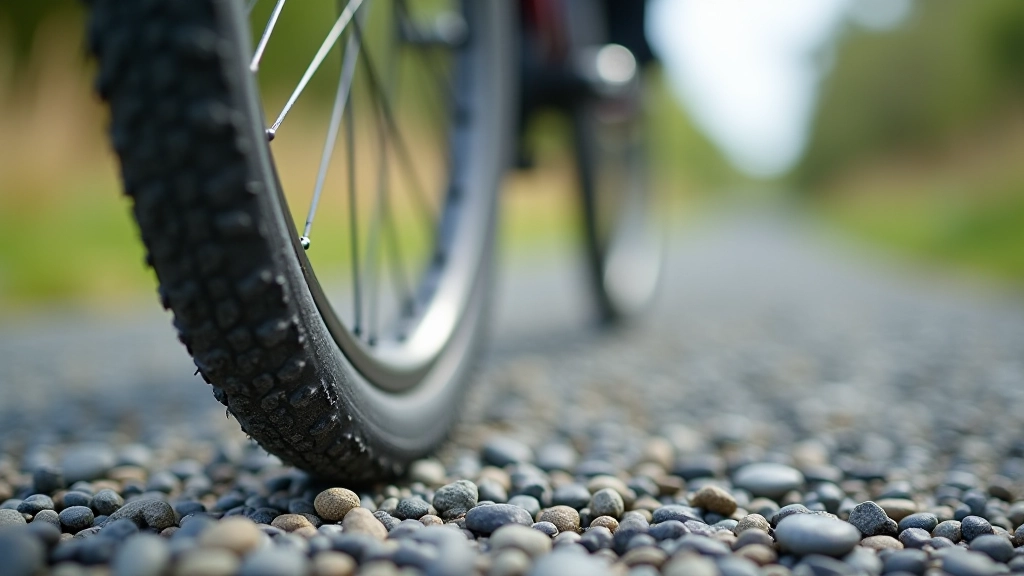
This is where most people make mistakes. They assume their road bike tires will work fine on bog roads. They won't.
Bog road surfaces vary dramatically. You'll encounter hard-packed gravel, loose stones, muddy sections, and patches of solid ground. Your tires need to handle all of this. That's why tire choice matters more than your bike frame does.
Look for tires with an open tread pattern—those knobby designs you see. They grip loose surfaces better than slick tires. For bog roads specifically, 40-45mm width gives you stability without being sluggish.
Tire Types Compared
Slick Road Tires
Fast but unstable on loose ground. Skip these entirely.
Hybrid Tires
Light tread, versatile. Work okay but not ideal for real bog roads.
Gravel/Off-Road Tires
Deep tread, excellent grip. This is what you want.
We recommend brands like Continental Terra Travel, Schwalbe G-One, or Kenda Flintridge. They're reliable without being premium-priced. Replace tires every 3,000-4,000 km or when tread depth drops below 2mm.
Essential Accessories and Clothing
Beyond the bike itself, you'll need a few specific items to stay comfortable and safe. Most people think this means spending a fortune on cycling gear. It doesn't.
Maintenance Essentials
Bog roads are rough on bikes. You'll encounter mud, loose stones, and water crossings. Bring a basic repair kit: spare tube, tire levers, multi-tool, and a hand pump. That's genuinely all you need. A small backpack keeps everything organized without adding weight.
Clothing That Actually Works
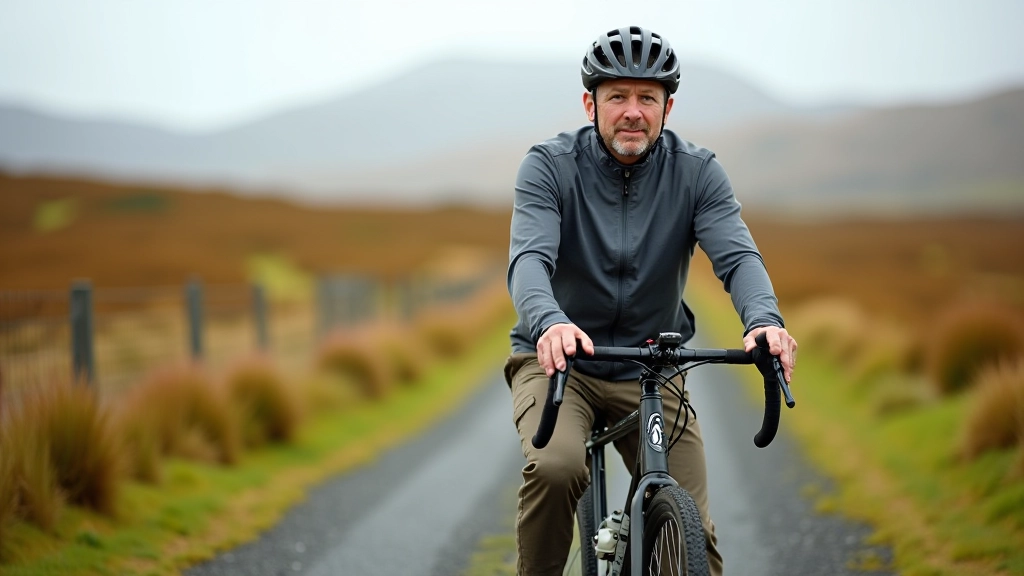
Here's the thing about Irish weather—it changes constantly. You'll want layers you can adjust as you ride. Start with a moisture-wicking base layer (doesn't need to be expensive), add a windproof outer layer, and bring a rain jacket in your pack. Regular athletic clothing works fine if it dries quickly.
Padded cycling shorts make longer rides much more comfortable. They're not essential for 12-15 mile routes, but they're worth the investment if you're doing regular 20+ mile trips. Budget around €40-60 for decent ones.
Safety Gear
A helmet is non-negotiable. You don't need anything fancy—€30-50 gets you a solid helmet that meets safety standards. Lights matter too, especially if you're riding early morning or late afternoon. Front and rear lights cost around €20-40 combined.
Don't Overlook Comfort Items
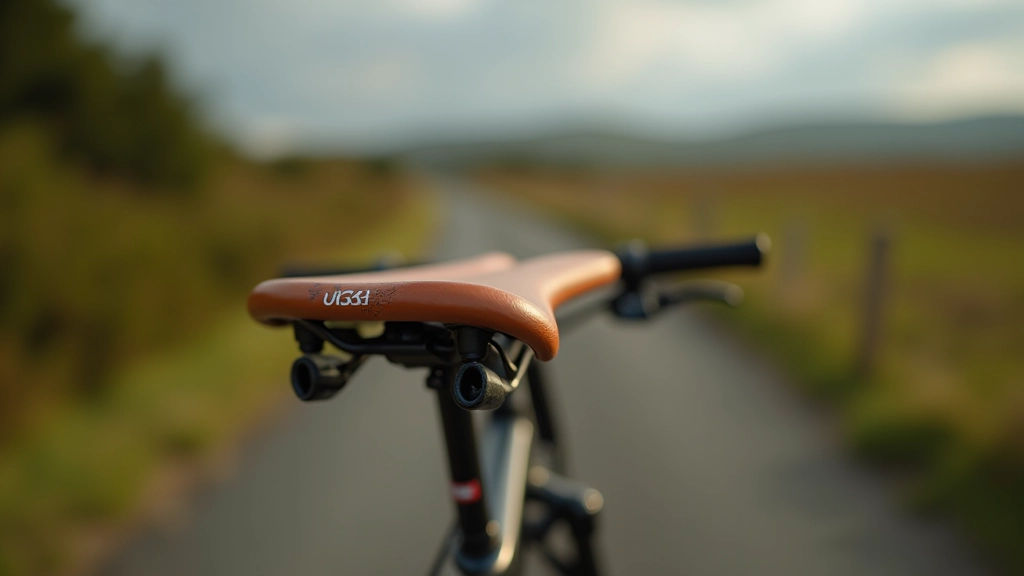
Your saddle is critical. Don't ride with whatever came on your bike—most stock saddles are genuinely uncomfortable. A decent replacement costs €30-80 and makes a massive difference on longer rides.
Handlebar grips matter too. If you're on rough terrain, proper grips reduce vibration and prevent hand fatigue. Cork or ergonomic grips work better than plastic. Budget €15-30 for replacements.
Consider bar-end extensions if you want to vary your hand position—they're inexpensive and make longer rides less tiring. You don't need clipless pedals either. Regular flat pedals work fine for bog road cycling, especially if you're riding casually.
Before Your First Ride
- Test your brakes on dry and wet surfaces
- Ensure tires are properly inflated (check recommended PSI)
- Adjust saddle height so your leg extends 90% when pedaling
- Pack your repair kit and water
- Wear your helmet and check your lights work
Important Disclaimer
This article provides general information about bike selection and gear for bog road cycling. Equipment needs vary based on individual circumstances, riding experience, physical condition, and local terrain conditions. Always wear appropriate safety equipment, including a helmet. Before attempting any cycling route, especially on unfamiliar terrain, consult with local cycling guides or experienced riders familiar with the specific area. Weather conditions in Connemara change rapidly—check forecasts and plan accordingly. If you have health concerns or haven't cycled recently, consider consulting with your doctor before starting a new cycling routine.
Ready to Get Started
You don't need top-tier equipment to enjoy Connemara's bog roads. A decent used hybrid bike, proper tires, and some basic accessories get you rolling without major expense. The real investment is time spent learning your bike and the terrain.
Start with shorter routes like the Roundstone to Ballyconneely loop. These give you experience with bog road conditions, help you understand what works for your body and style, and build confidence for longer adventures. Most riders find that after a few trips, they know exactly what they actually need versus what marketing tells them they need.
Explore More Routes
Once you've got your setup sorted, check out other bog road routes in the area.
Browse All Cycling Routes