Understanding Bog Roads: Surface Types and What to Expect
Not all bog roads are the same. We'll walk you through gravel sections, hard-packed tracks, and what gear you'll actually need for each type.

What Makes Bog Roads Different
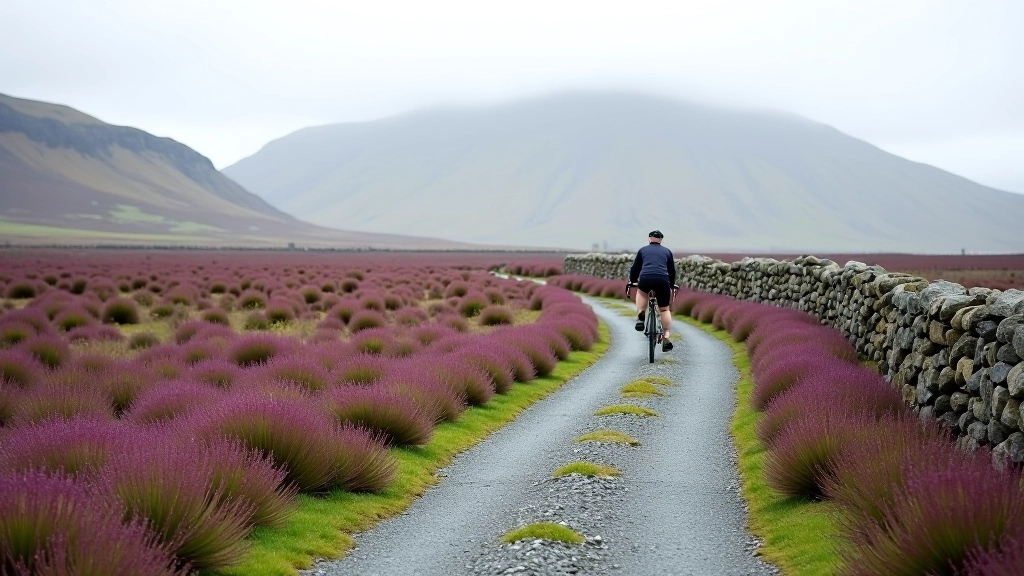
Bog roads aren't like your standard country lane. They're a mix of different surfaces, all in one ride. You'll encounter loose gravel one minute, then hard-packed earth the next. Some sections are surprisingly smooth. Others? Well, they'll test your balance and your bike's suspension.
The good news is you don't need special equipment or advanced skills. You just need to know what you're getting into. That's where this guide comes in. We've ridden these roads for years, and we're going to share exactly what you'll find on the ground and how to handle each type.
01
Gravel & Loose Stone
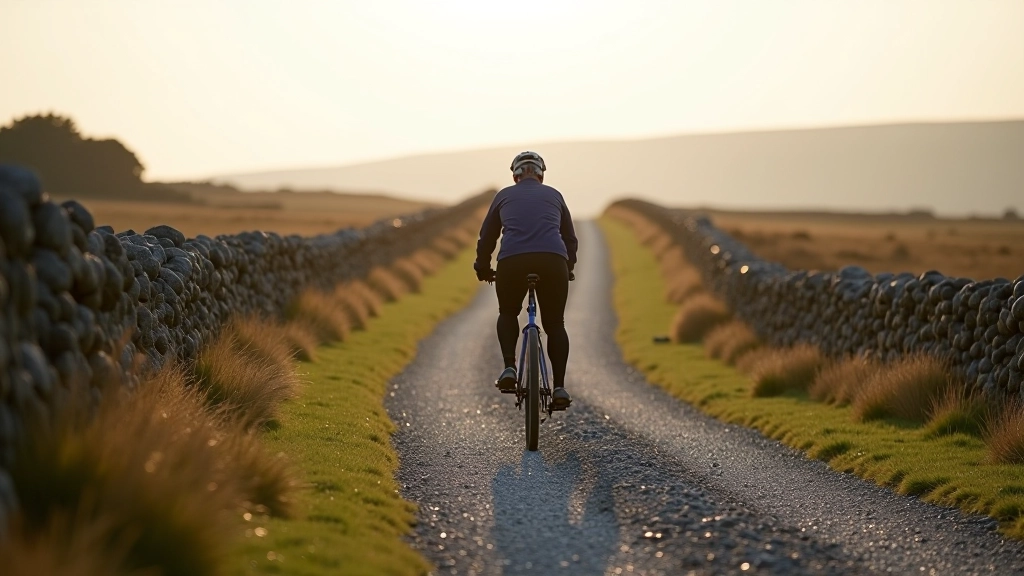
The most common surface. Loose, rolling gravel that shifts under your tires. Needs a light touch and steady pace.
02
Hard-Packed Earth
Compacted soil that's actually grippy when dry. Can turn muddy after rain — watch for slippery patches.
03
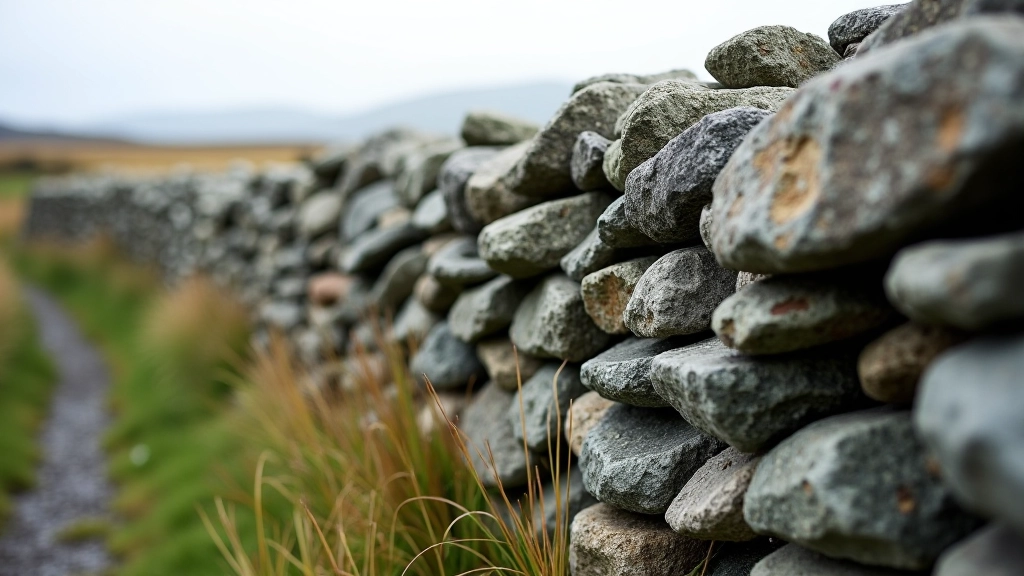
Rocky Sections
Exposed rocks and boulders embedded in the road. These demand patience. Go slow and pick your line carefully.
Understanding Surface Types
Gravel: The Most Common Challenge
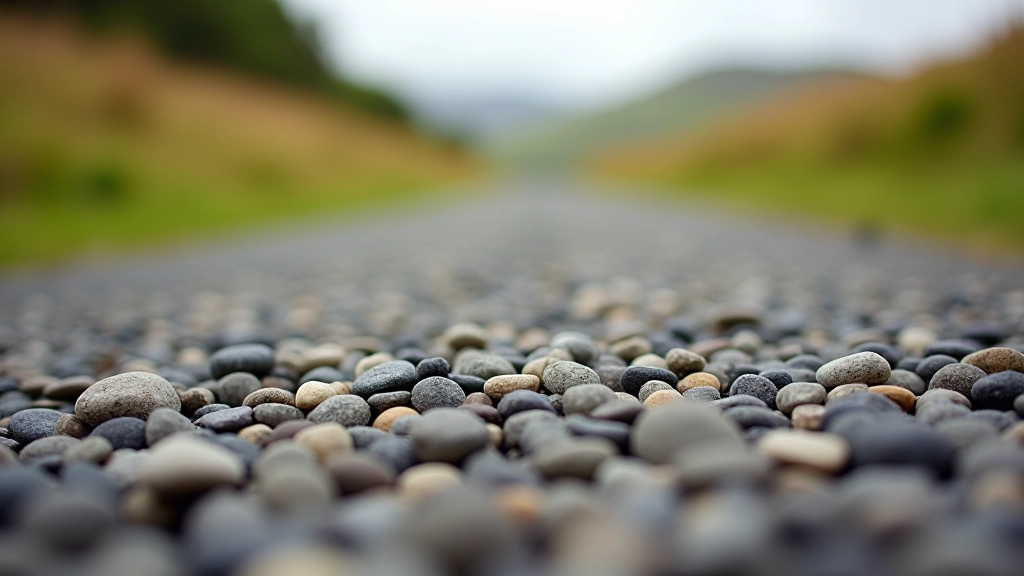
You'll spend most of your time on loose gravel. It's everywhere on these roads. The thing is, gravel demands a different technique than tarmac. Your tires want to slip sideways. That's normal. Don't fight it.
The trick? Keep steady pressure on both pedals. Don't brake hard — instead, ease off gradually. Your weight matters too. Lean slightly back on steep downhill sections. This keeps your front wheel from washing out. Most riders figure this out within the first kilometer or two.
Tire pressure plays a role. Lower pressure (around 35-40 PSI for hybrids) gives you better grip on gravel. Higher pressure bounces you around more. We've seen riders struggle because their tires were pumped too hard. That's an easy fix.
The good news? Gravel roads aren't steep most of the time. They roll gently across the landscape. You're not fighting gravity constantly. You're just learning to manage a surface that moves under you.
Hard-Packed Sections
Hard-Packed Earth: When Roads Feel Normal
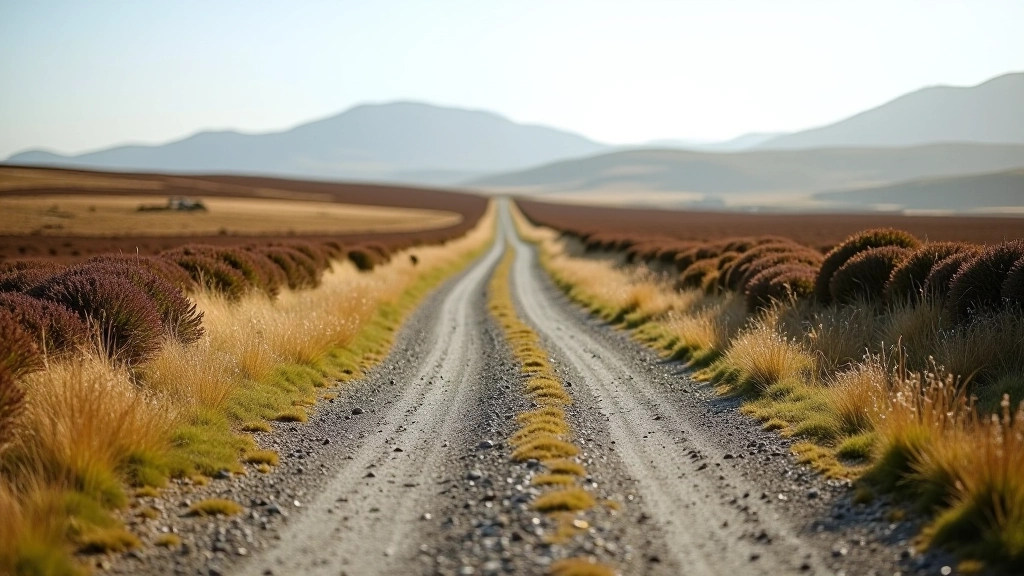
You'll hit stretches where the surface is actually solid. Compacted earth. These sections feel almost like normal cycling. Your tires grip properly. You can brake without slipping. It's a relief after gravel sections.
But here's what catches people off guard. After rain, these sections turn into mud. Not immediately, but within hours. The earth gets slippery. Your tires lose traction. You're back to the careful balance technique. We recommend checking the weather before you ride. If rain's expected, avoid bog roads for a day or two after.
In dry conditions? These sections are genuinely enjoyable. You can maintain a normal pace. Your legs aren't working overtime to stay balanced. You're just cycling. The scenery matters here too — you're not so focused on the surface that you miss the views.
Most of the main routes through Connemara have at least 30-40% hard-packed sections. That's enough variety to keep things interesting without being overwhelming.
Challenging Terrain
Rocky Sections: Slow and Steady Wins
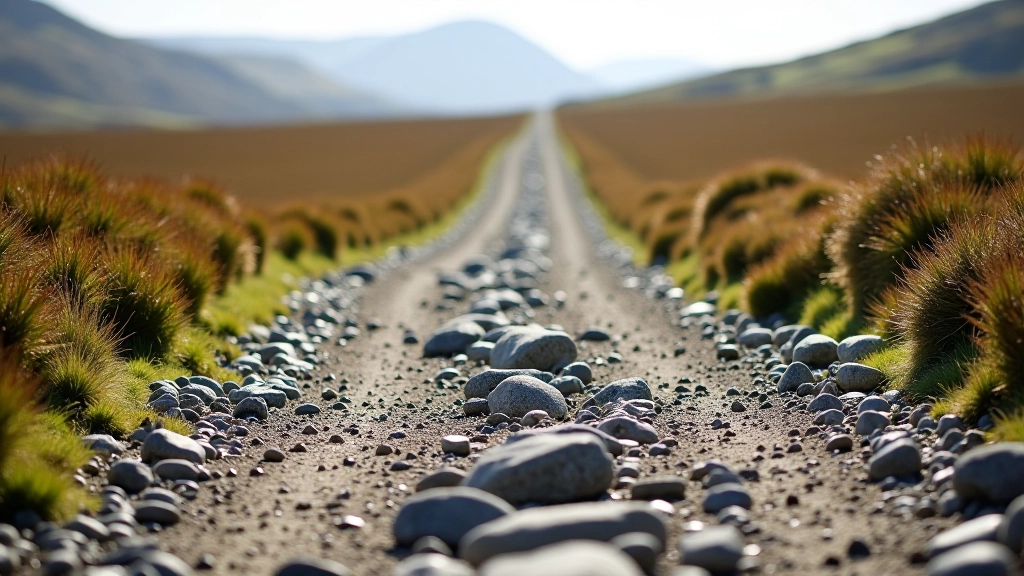
Then you hit the rocks. Big stones sticking out of the road. These aren't pleasant. They're rough. They'll rattle your bike and test your patience. But they're not unmanageable if you approach them correctly.
The key is line selection. Look ahead 5-10 meters. Spot the smoother path between rocks. Your front wheel matters most here — put it where it'll roll smoothly. Your back wheel will follow. Stand slightly out of the saddle when you hit rough sections. This absorbs shock better than staying seated. Your arms and legs act as suspension.
Speed kills on rocky roads. Really. Go slow. Maybe 8-12 kilometers per hour through the worst bits. Yeah, it feels slow. But you'll avoid pinch flats and damage to your rims. You'll also arrive less exhausted. Rocky sections make up maybe 15-20% of most bog roads, so you're not dealing with them constantly.
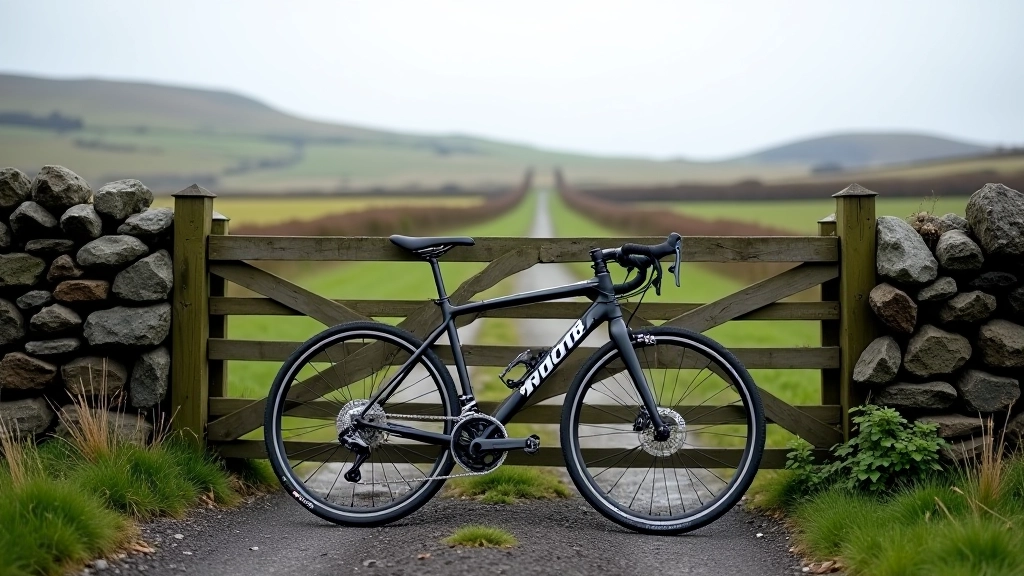
Hybrid bikes and gravel bikes handle rocks better than road bikes. Their wider tires absorb impact. Road bike riders struggle here — their skinny tires are too fragile. If you're new to bog roads and have a choice, a hybrid is the safer bet.
Important Note
This article is educational information about bog road surfaces and cycling techniques. Weather, ground conditions, and individual circumstances vary widely. Always assess current road conditions before riding. Wear appropriate safety gear including a helmet. If you're new to cycling or have physical limitations, consider starting with guided group rides where you can learn from experienced riders.
What Gear Actually Matters
Bike Type
Hybrid or gravel bikes work best. Wider tires (40-50mm), suspension forks optional but helpful. Road bikes struggle on rocky sections.
Tire Pressure
Lower is better for gravel. Aim for 35-45 PSI instead of 60+. This gives you grip without losing speed.
Safety Gear
Helmet is non-negotiable. Gloves help too — rocky roads can leave you bloodied if you fall.
Weather Awareness
Check forecasts. Ride in dry conditions if you're new to bog roads. Wet surfaces demand experience.
Practical Tips for Your First Bog Road Ride
1
Start on a calm day
No wind. No rain. Just you and the road learning how it feels under your tires.
2
Ride at your own pace
Don't chase Strava times. This isn't about speed. It's about learning. Slow rides teach you more.
3
Check your bike before you go
Tire pressure. Brakes. Gears. Rocks are unforgiving to mechanical problems.
4
Bring water and a basic repair kit
You're miles from anywhere. A puncture kit and spare tube could save your ride.
5
Learn to read the surface ahead
Look 10 meters ahead. Spot rough patches. Plan your line before you get there.
The Real Experience
Bog roads aren't intimidating once you understand what you're dealing with. Gravel needs a light touch. Hard-packed earth is actually pleasant in dry conditions. Rocky sections demand patience and careful line selection. That's it. That's the whole thing.
Most riders are surprised at how manageable these roads are. Yeah, they're different from what you're used to. But different doesn't mean difficult. You've got this. The Roundstone to Ballyconneely loop is a great introduction — it's got all three surface types in a gentle 12-mile package. Start there. Take your time. See what you learn.
The best part? Once you've done it once, you'll want to do it again. These roads get under your skin in a good way.
Ready to Explore?
Start with our beginner-friendly Roundstone to Ballyconneely route.
Explore the RouteRelated Articles